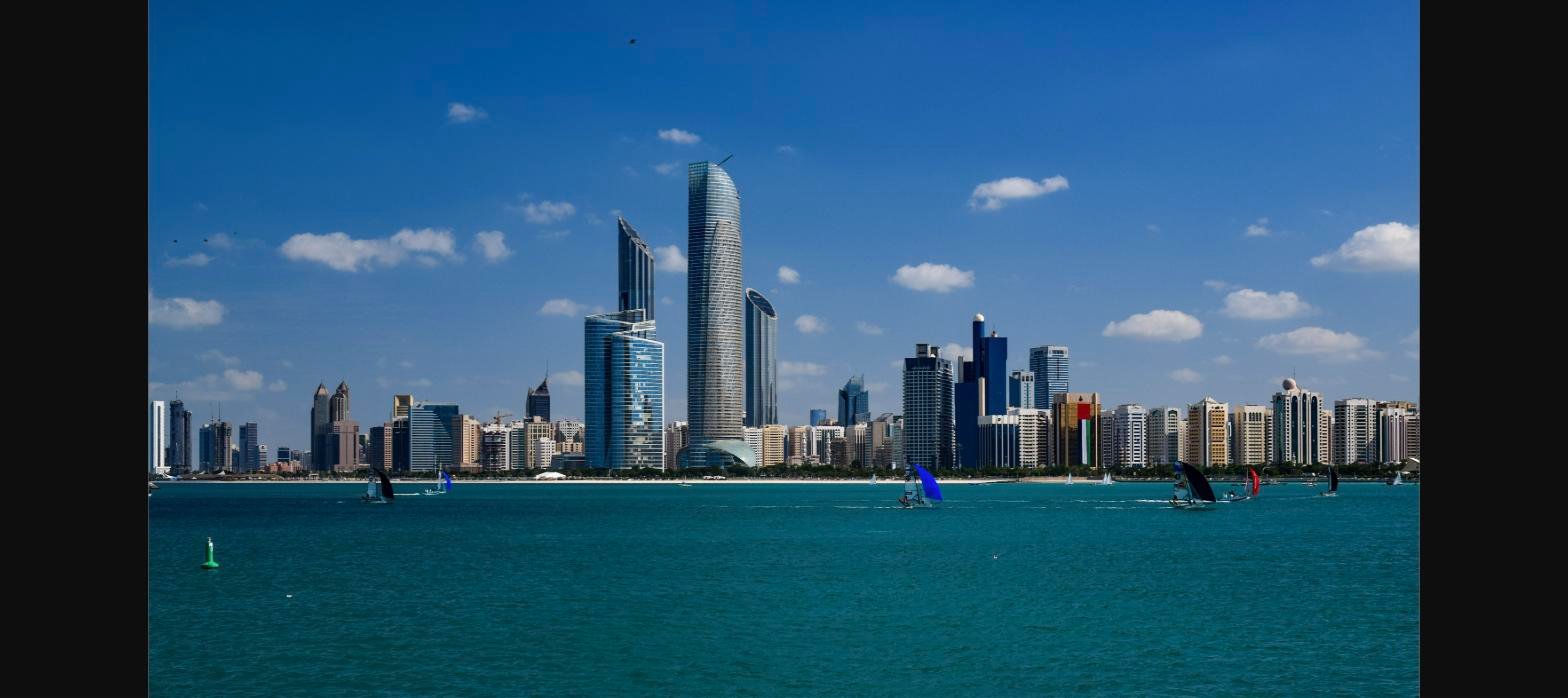
The Abu Dhabi PPP pipeline now has a number attached, and it is a large one. At the Abu Dhabi Infrastructure Summit in May 2026, the Abu Dhabi Investment Office and the Abu Dhabi Projects and Infrastructure Centre (Adpic) confirmed an AED55 billion (roughly $15 billion) PPP pipeline of opportunities across 24 projects for 2026-2027 – the clearest signal yet that the emirate intends PPP to be a standing procurement channel, not a one-off experiment.
What was actually announced
The pipeline breaks into three categories. Road development accounts for the largest share, at AED35 billion (about $10 billion), covering 11 major projects and more than 300 kilometres of new and upgraded roads, tunnels and intersections. Water, flood control and landscaping projects make up AED11 billion (around $3 billion). Social infrastructure – eight projects spanning sports facilities, healthcare, schools and university campuses – accounts for the remaining AED9 billion (about $2 billion).
Abu Dhabi is not starting from zero. The announcement points to AED1.4 billion (roughly $380 million) in capital and operational savings already realized from earlier PPP awards, against a backdrop of AED200 billion in infrastructure projects the emirate was overseeing as of December 2024. The 2026-2027 pipeline is presented as the next phase of an already-running program, and the summit itself was sized accordingly: more than 7,000 attendees, 100-plus speakers and 90 exhibitors at ADNEC.
The government also disclosed the employment case for the pipeline directly – close to 5,000 construction jobs and 450 permanent operational roles across the 24 projects, a detail aimed as much at the domestic workforce and skills conversation as at investors.
Why the structure matters more than the total
A $15 billion headline number invites comparison to sovereign infrastructure funds and mega-project announcements elsewhere in the Gulf. The more useful number for anyone actually pricing this opportunity is the project count: 24. That is a granular, sector-diverse pipeline – roads, water and flood control, and social infrastructure – rather than a small number of giant, headline-grabbing schemes. For contractors and investors, granularity changes the calculus. A 24-project pipeline spreads execution risk, creates room for mid-sized and specialist bidders alongside the large multinational contractors, and gives Adpic room to sequence awards rather than front-load them.
Analysis: the emphasis on realized savings from prior PPPs (AED1.4 billion) is a specific and unusual disclosure for a pipeline announcement. Most infrastructure authorities publicize pipeline value; fewer publicize the value already captured from the model. Read alongside the AED200 billion in infrastructure the emirate already oversees, it functions as evidence to a specific audience – institutional investors weighing PPP risk in the UAE against alternative markets – that the value-for-money case is not theoretical.
What this means for different participants
Contractors and EPC firms get a multi-year, sector-diversified bidding calendar rather than a single procurement event. The road-development share alone – 11 projects, AED35 billion – is large enough to support a sustained pipeline of tender opportunities through 2027, which matters for firms deciding whether to build or expand a permanent Abu Dhabi presence versus bidding project-by-project from the UAE market generally.
Institutional and infrastructure investors are being offered a track record, not just a forecast. The realized-savings figure and the scale of infrastructure already under the emirate’s oversight are the kind of data points that feed into an investment committee’s risk assessment of a jurisdiction’s PPP program maturity, separate from the merits of any individual asset.
Advisors and project professionals face a practical sequencing question across 24 concurrent-to-sequential procurements: transaction advisory, technical due diligence, and governance-structure design capacity will be in demand across the pipeline’s life, not concentrated around one bid date.
What to watch next
Three things will determine whether this pipeline performs as advertised. First, award cadence – whether Adpic sequences the 24 projects in a way that lets the market absorb them without a scramble for technical and financial advisory capacity. Second, whether the local content preferences reported alongside the pipeline announcement shape bidder consortia in ways that favor UAE-based partnerships over pure foreign entrants. Third, whether the social-infrastructure tranche – smaller in value but operationally distinct from roads and water – attracts a different investor base than the transport-heavy majority of the pipeline.
Frequently asked questions
How large is Abu Dhabi’s 2026-2027 PPP pipeline?
AED55 billion (approximately $15 billion) across 24 infrastructure projects in transport, water/flood control, and social infrastructure, announced at the Abu Dhabi Infrastructure Summit in May 2026.
Which sector has the largest share of the pipeline?
Road development, at AED35 billion (about $10 billion) across 11 projects covering more than 300 kilometres of roads, tunnels and intersections.
Who administers the pipeline?
The Abu Dhabi Investment Office and the Abu Dhabi Projects and Infrastructure Centre (Adpic).
as Abu Dhabi’s PPP model shown results before this pipeline?
The emirate reports AED1.4 billion in capital and operational cost savings from PPP awards prior to this pipeline, against roughly AED200 billion in infrastructure projects under its oversight as of December 2024.
Sources
Figures and project details from reporting on the Abu Dhabi Infrastructure Summit 2026 (May 12-14, ADNEC), including AGBI, The National, and Gulf News. Readers evaluating specific bids or investments should consult Adpic’s own procurement disclosures directly.
PGAN advises institutional clients and contractors on infrastructure and government advisory across the UAE and wider GCC – structuring PPP participation, transaction due diligence, and delivery governance. Explore our infrastructure advisory and government advisory practices, or request advisory. Read our related briefing on Dubai Law No. 3 of 2026.